

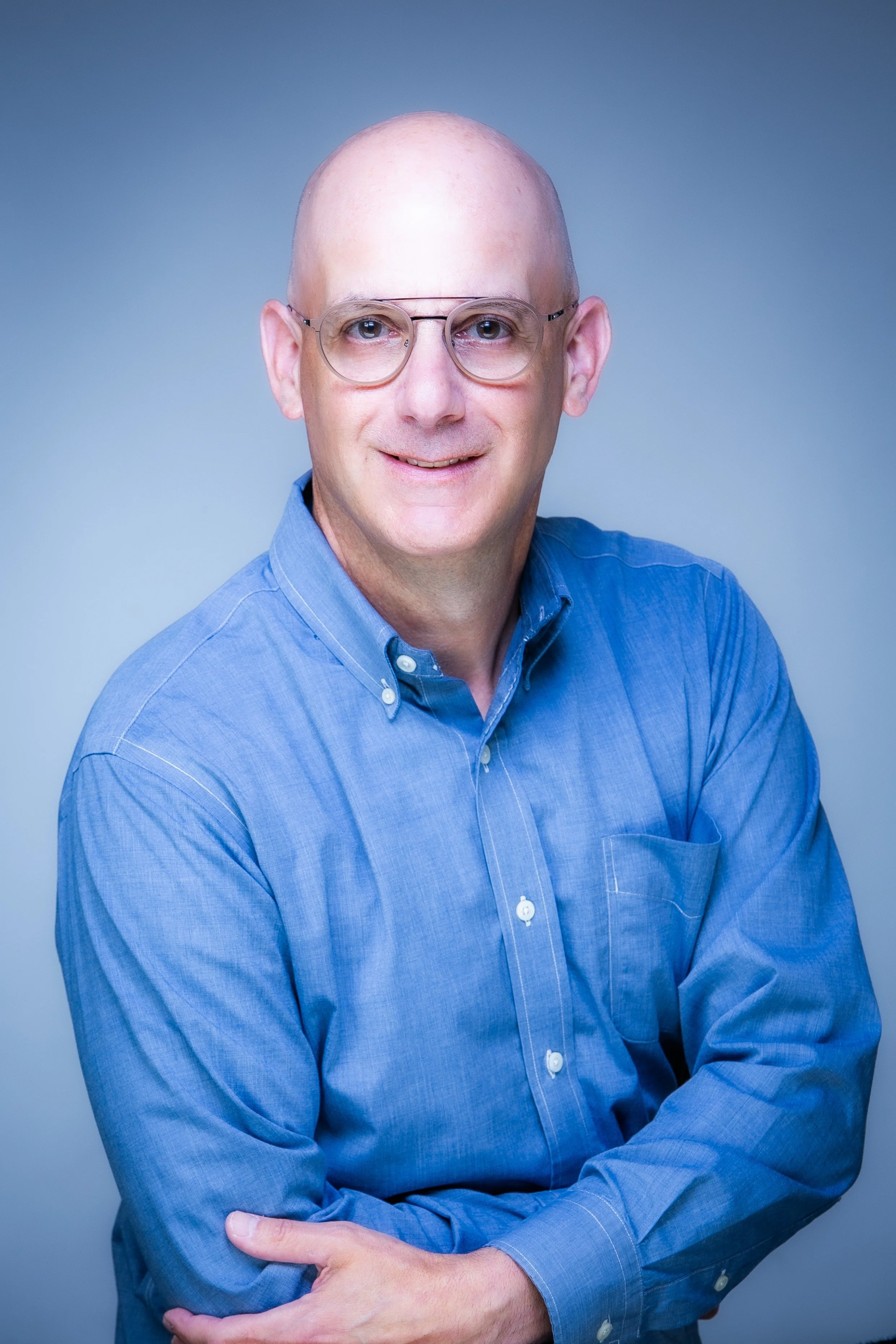
I spent more than 35 years on the corporate side of the table.
Before launching Philanthropy Fuel, I spent my career in B2B sales and marketing leadership, building relationships, leading teams, and learning how businesses evaluate opportunities, make decisions, and determine where to invest their time and resources.
Since launching Philanthropy Fuel, I've brought that perspective to the nonprofit sector.
I help nonprofit leaders better understand the value their organizations already create, communicate that value in ways businesses can understand, and build stronger corporate partnerships grounded in relevance, relationships, and shared opportunity.
From Corporate Leadership to Philanthropy Fuel
My career was built around relationships.
For more than three decades in corporate sales and marketing, I saw firsthand what matters to businesses, how trust develops, why some opportunities gain traction while others stall, and how long-term connections are built.
When I began spending more time in the nonprofit sector, I noticed something.
Many nonprofits were doing remarkable work, but they often struggled to explain that work in a way that connected clearly to what businesses cared about.
They led with mission. They led with need. They led with sponsorship packages.
But they didn’t always lead with relevance.
That gap became the foundation for Philanthropy Fuel.
I made it my mission to help nonprofits recognize the assets they already have, understand how those assets may connect to business priorities, and approach companies with greater clarity and confidence…
…by becoming better at translating their value.
What I Believe About This Work
A few beliefs shape nearly everything I do.
Nonprofits usually have more value than they realize.
Programs, relationships, expertise, community trust, audiences, stories, and lived experience can all matter to businesses when the connection is made clearly.
Relationships matter more than tactics.
Good research and outreach matter, but the strongest opportunities usually grow from curiosity, trust, listening, and understanding what matters to the people on the other side.
Business relevance doesn’t mean changing your mission.
It means helping a company understand why your existing work may matter to its employees, customers, brand, culture, community priorities, or broader goals.
Discovery should come before design.
You learn more by asking better questions than by presenting a predetermined package.
The best partnerships create progress for both sides.
That is what makes them stronger, more durable, and more likely to grow.
How I Work
I tend to be curious, collaborative, and hands-on.
I ask a lot of questions. I look for patterns. I challenge assumptions when they deserve to be challenged. And I like turning ideas into something people can actually use.
Depending on the engagement, that might mean researching companies, identifying decision-makers, mapping relationships, developing outreach, preparing for conversations, joining those conversations, or helping shape partnership opportunities around what we learn.
I’m not interested in producing a strategy document and disappearing.
The goal is to help your organization think differently, make better decisions, and build an approach you can continue using long after our work together ends.
Beyond Philanthropy Fuel
Philanthropy Fuel is a big part of my work, but it isn’t the whole picture.
I write The Fuel Tank, my weekly newsletter for nonprofit professionals, where I explore the ideas, assumptions, and shifts shaping the sector.
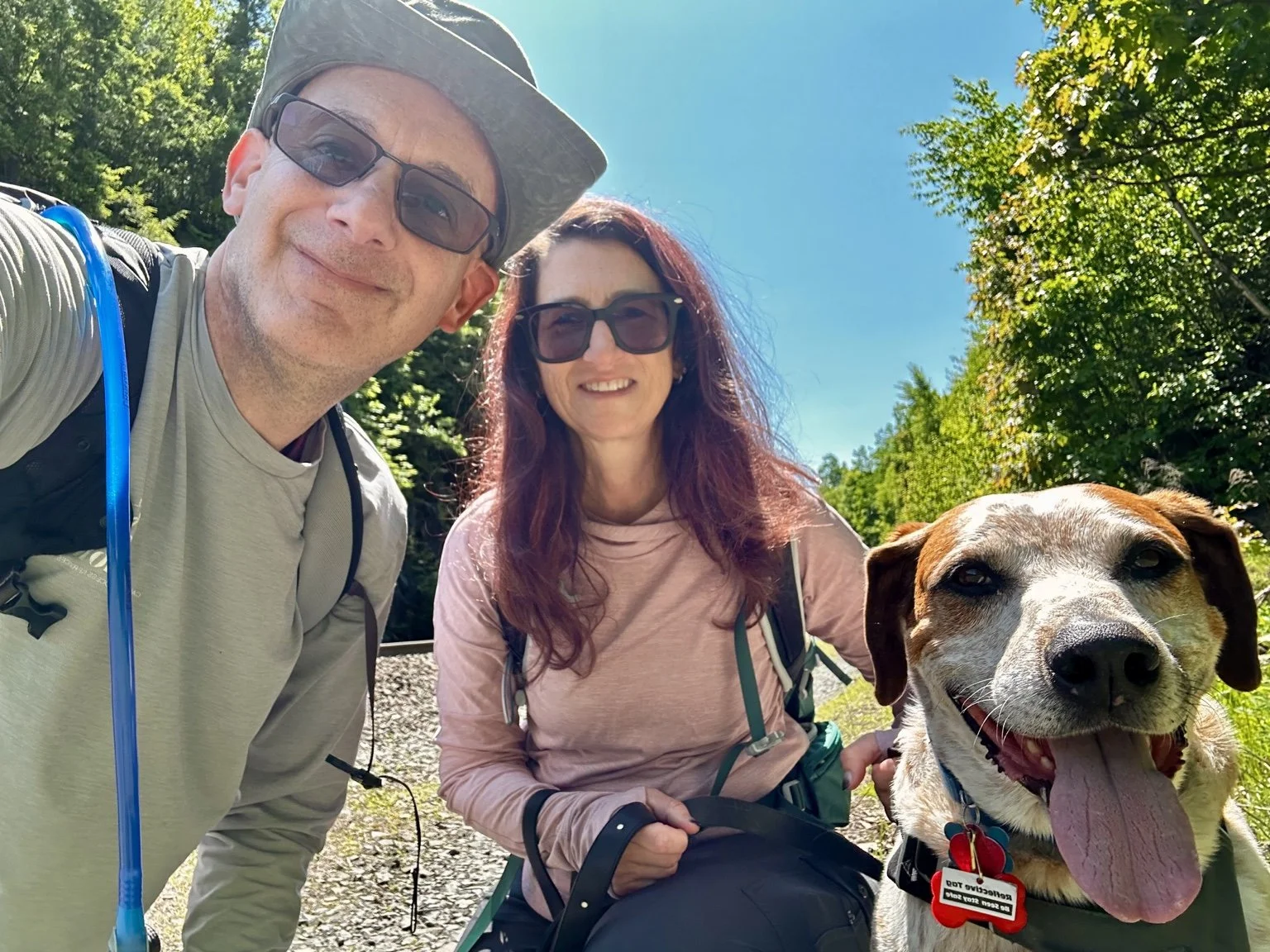
I also volunteer at Last Hope Animal Rescue, spend as much time outdoors as I can, and have developed a growing obsession with photography and birding.
And yes, there’s almost always our own rescue dog, Griffin, somewhere nearby.
Outside Perspective
“He listens. He asks difficult questions. He challenges assumptions. He shares generously. And he shows up.”
Shafkat Alam
CEO, Tijala SHED
Let’s Start With a Conversation
You don’t need to know exactly what kind of support you need before reaching out.
Tell me what your organization is working on, where you’re getting stuck, or what you’re trying to build. We can take it from there.